Google is changing search: What this means for Swiss SMEs
On May 19, 2026, Google announced at I/O how deeply the search engine will be rebuilt. The classic list of blue links is gradually disappearing. In its place, AI answers, information agents, and individually generated mini-apps will appear directly in the search field. TechCrunch simply calls it: the Google search as we know it is over.
Since then, we've been receiving calls and emails. The question is usually the same: Is SEO still worth it? Will SEA still be relevant in five years? And what does all of this mean for one's own website?
An honest answer upfront: A lot is happening. But it's not happening as quickly or as catastrophically as many headlines suggest.
What Google has specifically changed
The AI mode has been available in Switzerland since October 2025. With the announcement in mid-May, Google is now taking a step further. The search bar accepts longer, spoken queries. Instead of ten links, a summarized answer often appears, supplemented by interactive elements. Information agents are expected to independently track changes on the web starting in summer 2026 and notify users when defined conditions are met. In addition, there will be a «Generative UI» that creates mini-applications matching the respective question.
For users, this often feels practical. For websites, it means: fewer clicks land on their own page because Google provides the answer itself.
The numbers, without embellishment
Ahrefs measured in December 2025 that the click-through rate on the top organic result drops by 58 percent once an AI overview is displayed. Another study found it to be 38 percent. Yet others report over 60 percent. The exact values vary greatly depending on the industry and search query. The direction is clear: clicks from traditional results are decreasing.
The other side is exciting. Visitors who come to a website from AI responses often convert better. The Washington Post reports a four to five times higher subscription rate compared to clicks from traditional search results. Therefore, those who are cited as sources in an AI response gain fewer visitors, but they are visitors with a significantly more concrete purchase intent.
SEO is not dead, but it is changing
The discipline is shifting. Content no longer just needs to rank high in search results. It needs to become citable for AI systems. This is called Generative Engine Optimization, or GEO for short. It complements classic SEO but doesn't replace it.
What remains important:
- Clearly structured content with substance and clear statements
- Mentions of the brand on trusted external sites (studies show that brand mentions correlate about three times more strongly with AI visibility than pure backlinks)
- Fact-based texts that cite sources
- Local relevance, especially for SMEs with a regional catchment area
Detailed contributions on specific industry topics are gaining importance. This is called "long-tail" in marketing jargon. AI systems cite such texts more frequently than generic, catch-all material. Smaller companies have an advantage here. Those who truly know their field and can write about it clearly will be found. This doesn't require a large marketing department.
SEA: Less excitement, but worth observing
Google is currently only testing native ads directly within AI responses in the US and UK. In contrast, traditional Google Ads campaigns continue to run normally in Switzerland and are displayed alongside and below AI summaries.
What's changing are the automated features. «AI Max for Search» combines classic search campaigns with semantic expansion and uses contextual signals to find relevant queries. Initial analyses show an average of around 13 percent more revenue when these features are used effectively. It's important to actively manage campaigns. Those who simply let Google handle things give up control and often budget as well.
What we advise SMEs now
First: Stay calm. No one needs to rebuild the website this week.
Second: Know the current state. It's worthwhile to thoroughly analyze the current rankings, traffic sources, and conversions. Those who don't know where they stand can't react wisely.
Third: Sharpen content. We recommend thoroughly covering one to two core topics per year instead of producing twenty superficial pages. AI systems prefer depth.
Fourth: Build visibility outside of your own website. Industry media, local directories, professional portals, and honest guest posts are more valuable today than they were two years ago.
Fifth: Cultivate your own brand. Clear positioning, a professional website, and consistent online mentions are the foundation for AI systems to recognize and correctly classify a company.
How swift do you think the accompaniment is
We've been building WordPress websites and managing Google marketing for Swiss SMEs for years. Our task at this stage is not to chase every hype. It is to assess with you what really changes for your specific business, what stays the same, and where it makes sense to invest strategically.
Some projects at our company currently require more content work. Others need a technical SEO update. Still others are positioned in their industry such that they have little to fear. We look at this on a per-client basis instead of selling a one-size-fits-all solution.
If you're unsure how your website stands in the new search world, get in touch. An initial assessment takes about an hour and provides clarity. Panic is not a good advisor. An honest assessment, however, is.
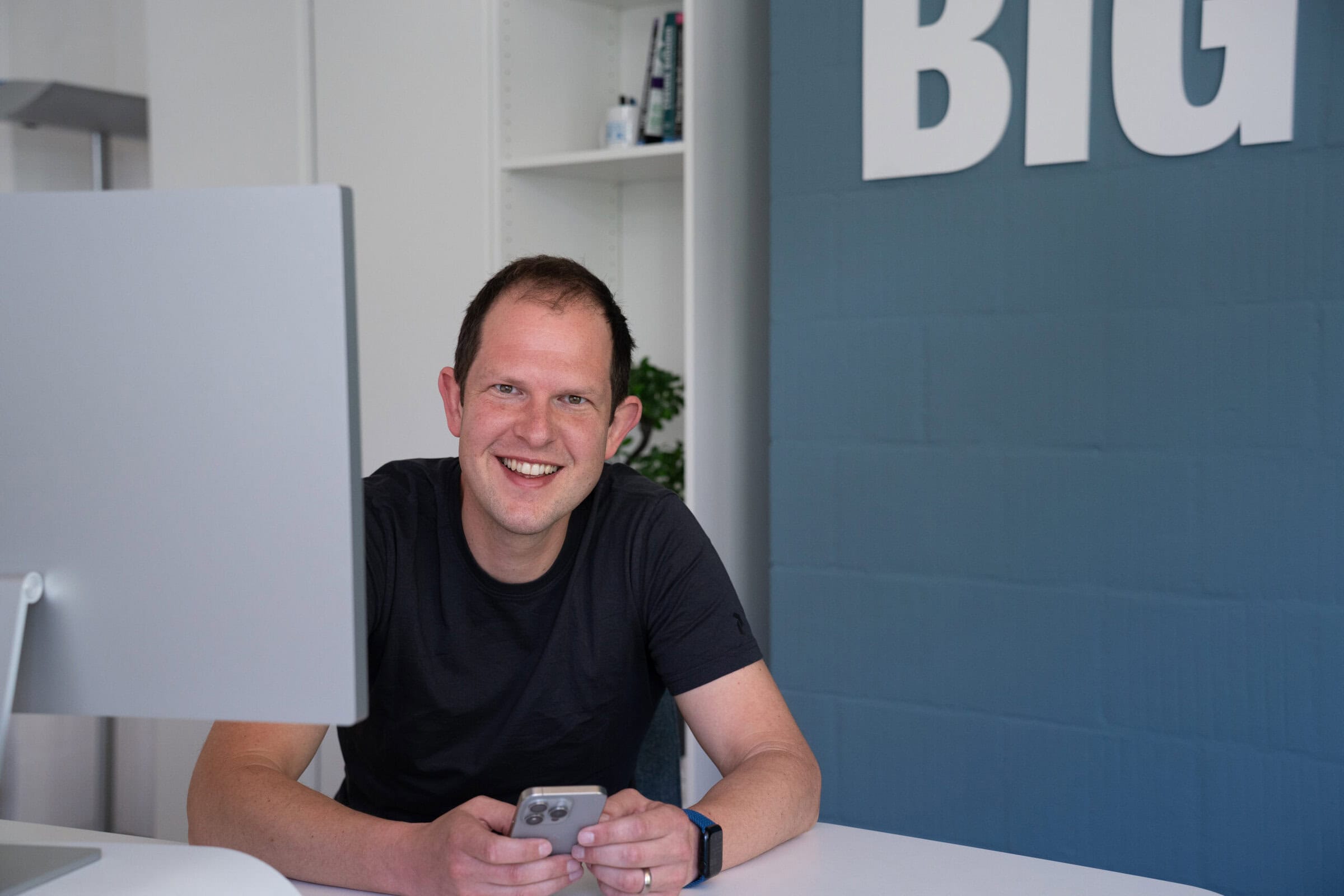
Michael Salzer
WordPress professional, Apple fan and irregular jogger.
We are Google Partner